My Projects
Senior Design: Lean Controlled Wheelchair
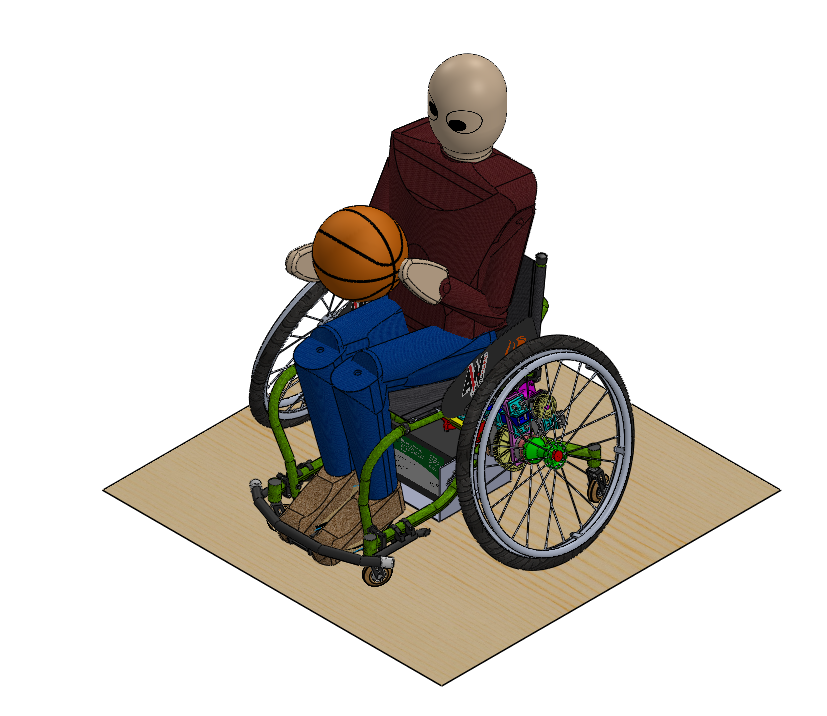
My university senior design project. I am working with six other students to design a custom lean-controlled sports wheelchair for a half paralyzed kid. Removing the need to push with your hands improves performance in wheelchair basketball, so we are putting motors and a control system on an existing sports chair, targeting around 13mph and a two hour runtime.
Show more
Robotics Control Research Lab
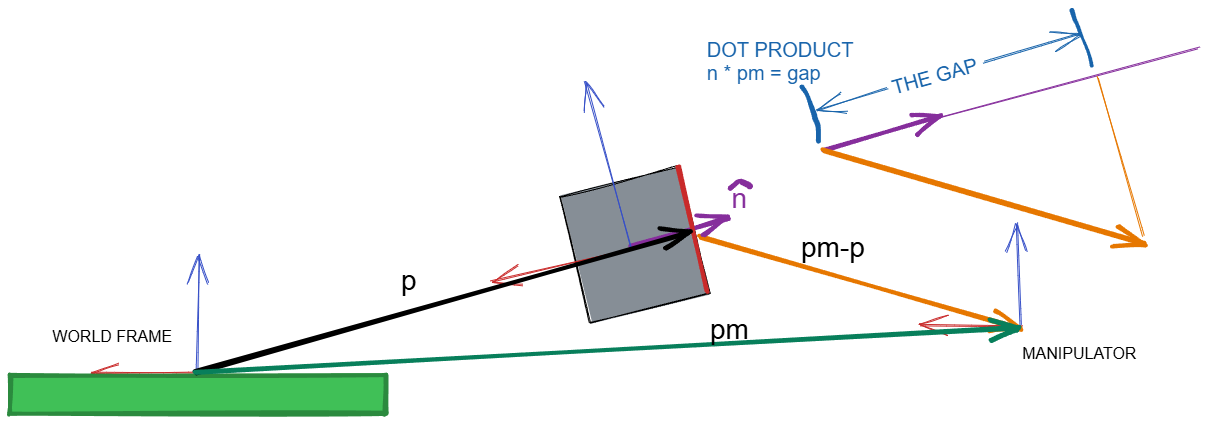
I worked as a research assistant for Dr. Aykut Satici in his robotics control lab at Boise State, on a project teaching a neural network to control the forces and torques of a robot arm well enough to push a box up onto a step. I hunted bugs in the training pipeline, including a loss function bug that was collapsing an entire batch of evaluation runs into one number, and built the pipeline that exports a trained controller out of Python so it can run on real hardware from C++.
Show more
Ultimate Tic Tac Toe
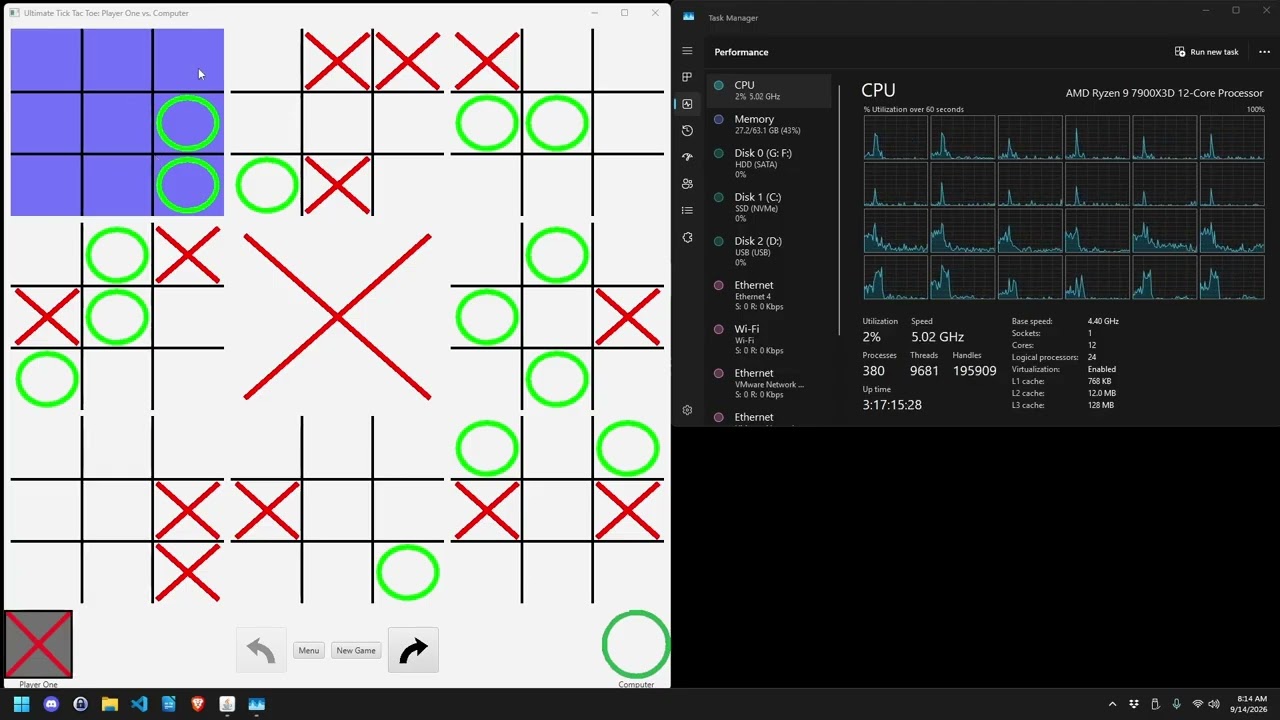
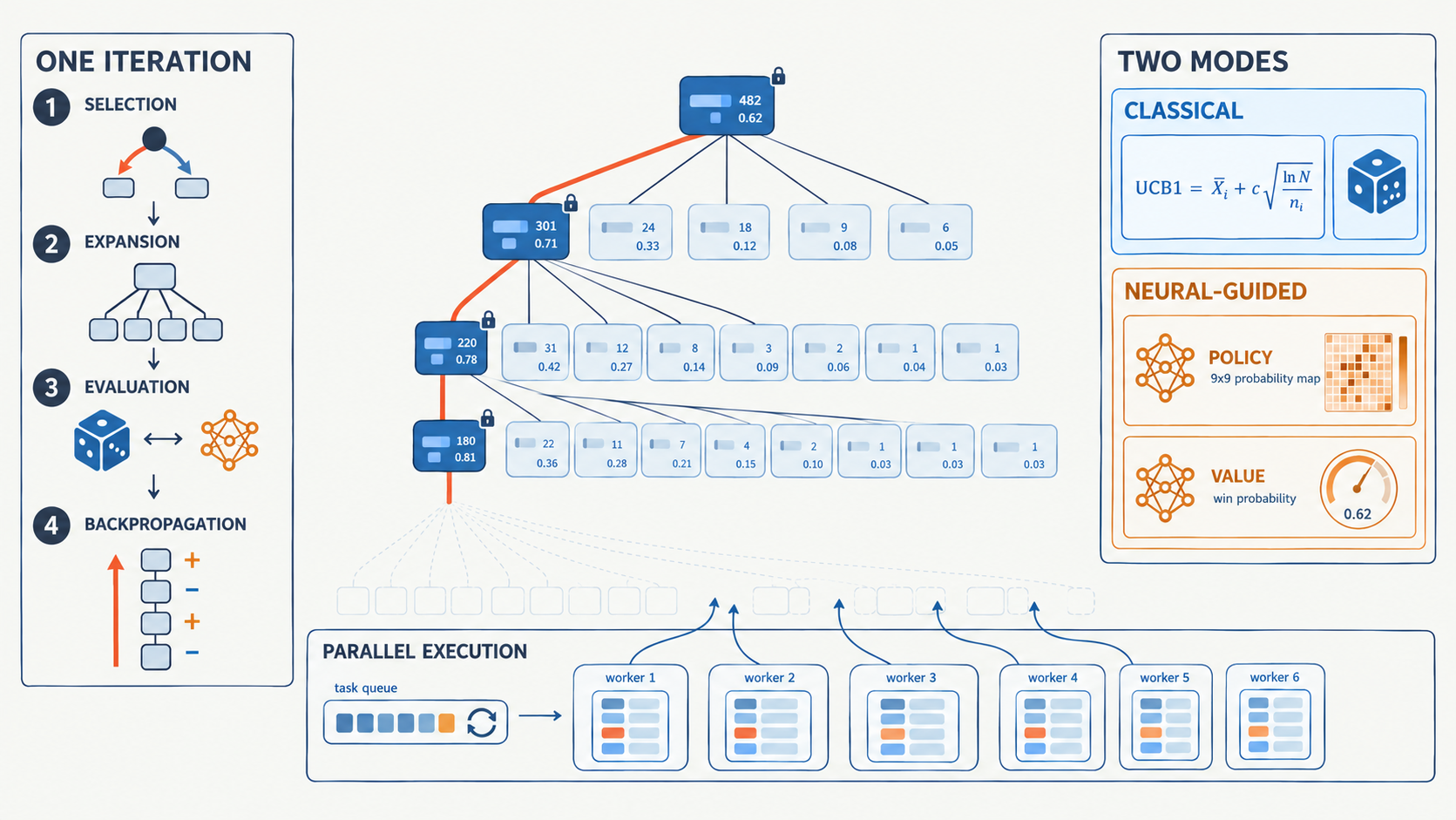
A Java and JavaFX desktop game with a Monte Carlo Tree Search opponent that can be guided by a value network and a policy network I trained myself. It is one of the biggest software projects I have built: a full game engine, a multithreaded search running many workers against one shared tree, a neural network training pipeline, and self-contained installers for Windows and Linux. Watch the demo, read about how the search works, or download it and play it yourself.
Show more
Strap Breaker
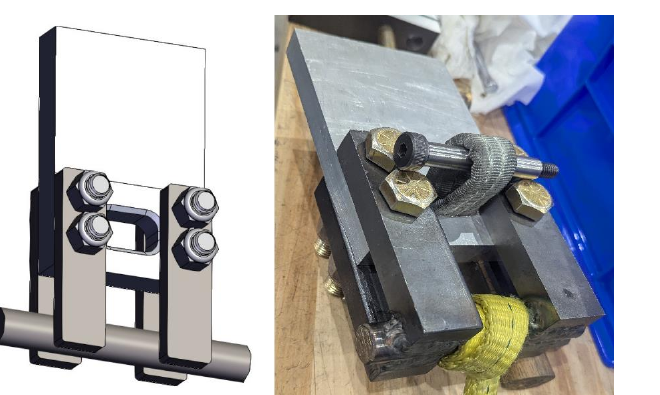
For my Experimental Methods class I designed and built tooling to destructively test an OSHA-certified tow strap and find its real factor of safety. The strap failed at 10717lbf against a 4000lbf rating, giving an experimental factor of safety of 2.68, roughly half the manufacturer's claimed value of five. The tooling came out of the test undamaged.
Show more
Freelance Engineering Contract
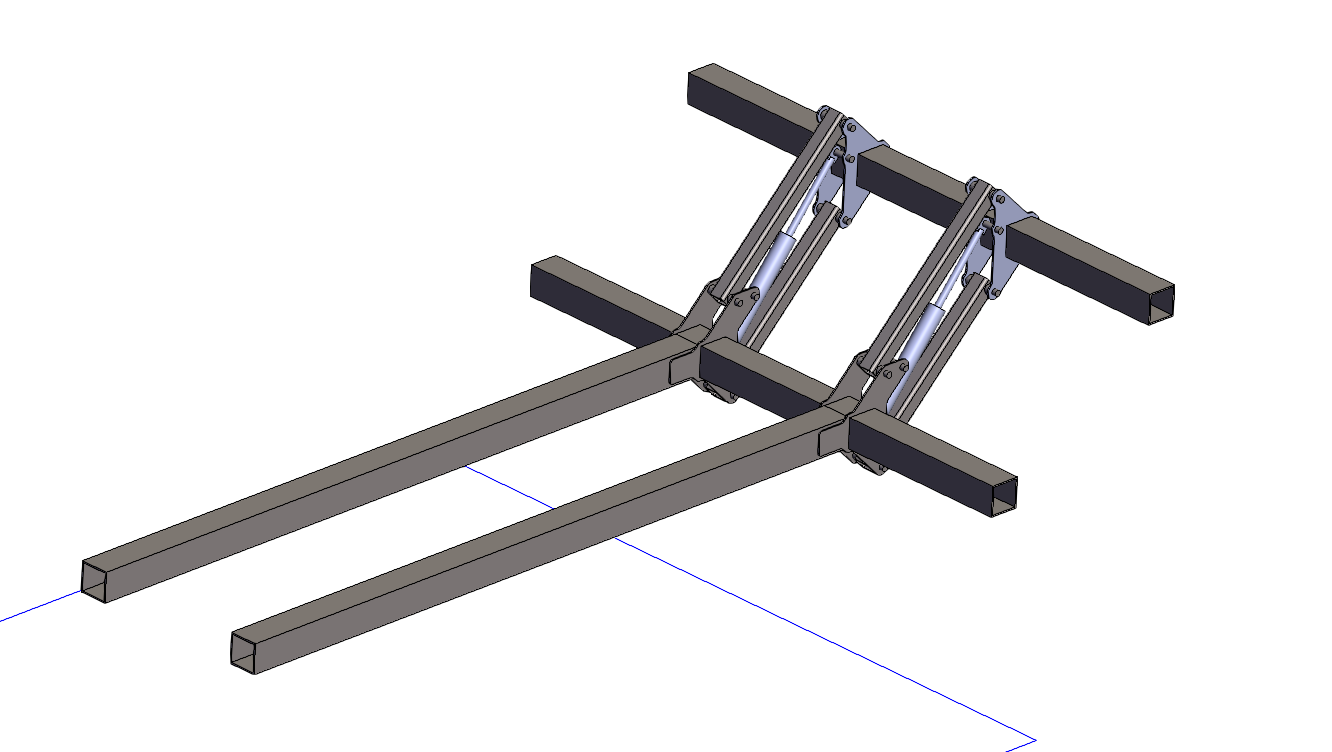
A man reached out to Boise State University asking for a student to help him with a engineering problem for pay, I got the job. He needed a 4-bar lift to hold his motorcycles on his custom campervan.
Show more
Robotics: Furuta Pendulum Kinematics
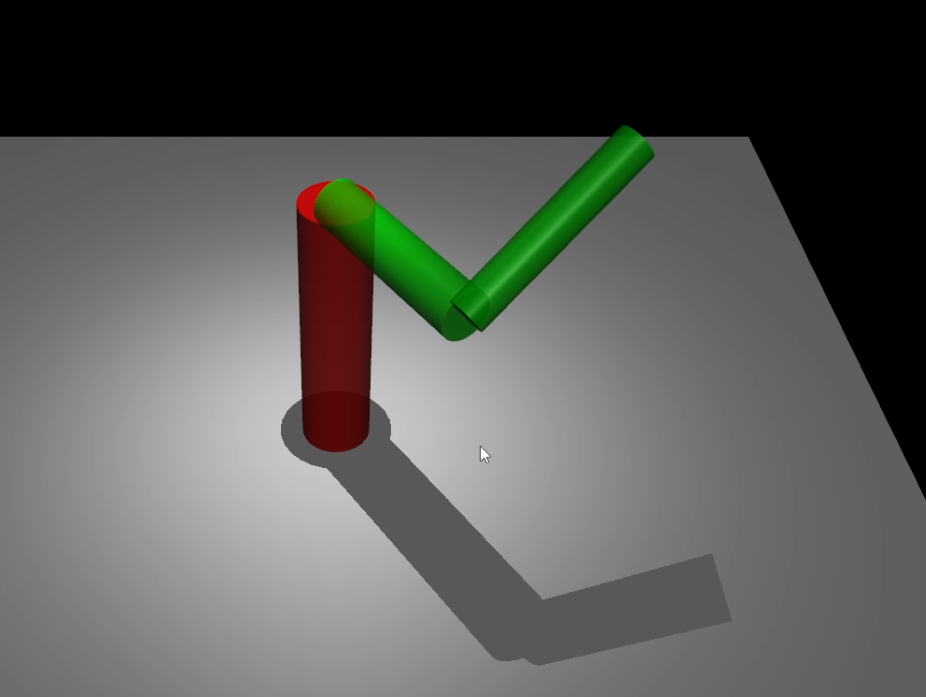
In my first robotics project my partner and I worked together to analyze and simulate the kinematics of a Futura Pendulum using analytical and software methods. We derived and evaluated formulas with code, modeled the pendulum with MuJoCo, (A python library) and verified analytical results using the model. Below is an image of our simulated pendulum and a video of the simulation. Click the button to see reports, code, and more details.
Show more
Robotics: Localization
In my second robotics project, my partner and I implemented a Mahony filter to estimate orientation using data from a phone's IMU. We treated gravity and the Earth's magnetic field as noisy landmarks and used gyroscope data and bias correction to filter the signal. We also explored the TRIAD algorithm, each developing our own variations, and visualized the results using MuJoCo. Below is a video of the Mahony filter in action. Click the button to see the report, code, and project instructions.
Show more
Video Of Simulation
A video showcasing the results of the filter on some data we collected.
Robotics: DH-Kinematics
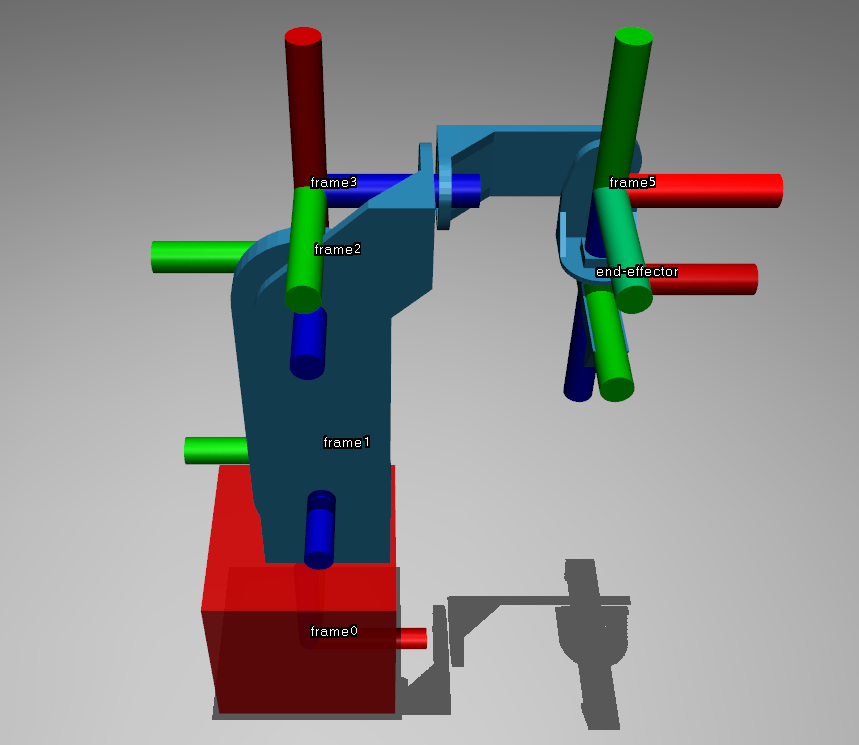
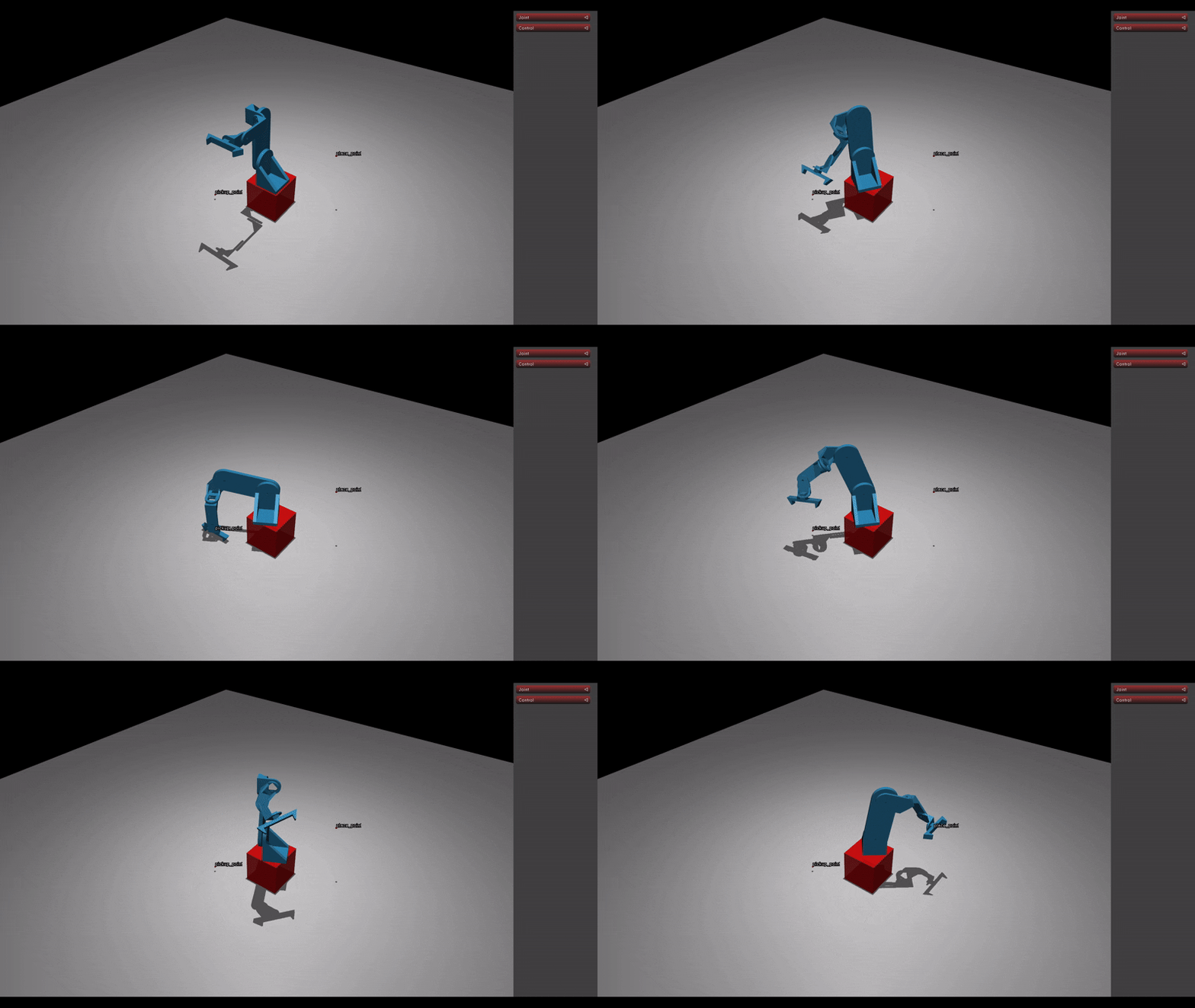
In this project, I analyzed the forward and inverse kinematics—both position and velocity-level—for a 6-DOF robot arm, the NexCOM miniBoT. Using analytical methods and the Denavit-Hartenberg convention, I developed closed-form solutions, including a fast inverse kinematics function that returns multiple solutions. I also implemented an animation system that uses inverse kinematics to follow a path. Below is a visual of the robot arm, the animation, click the button to see the full report, code, and project details.
Show more
Design Project II: Material Handling Dolly
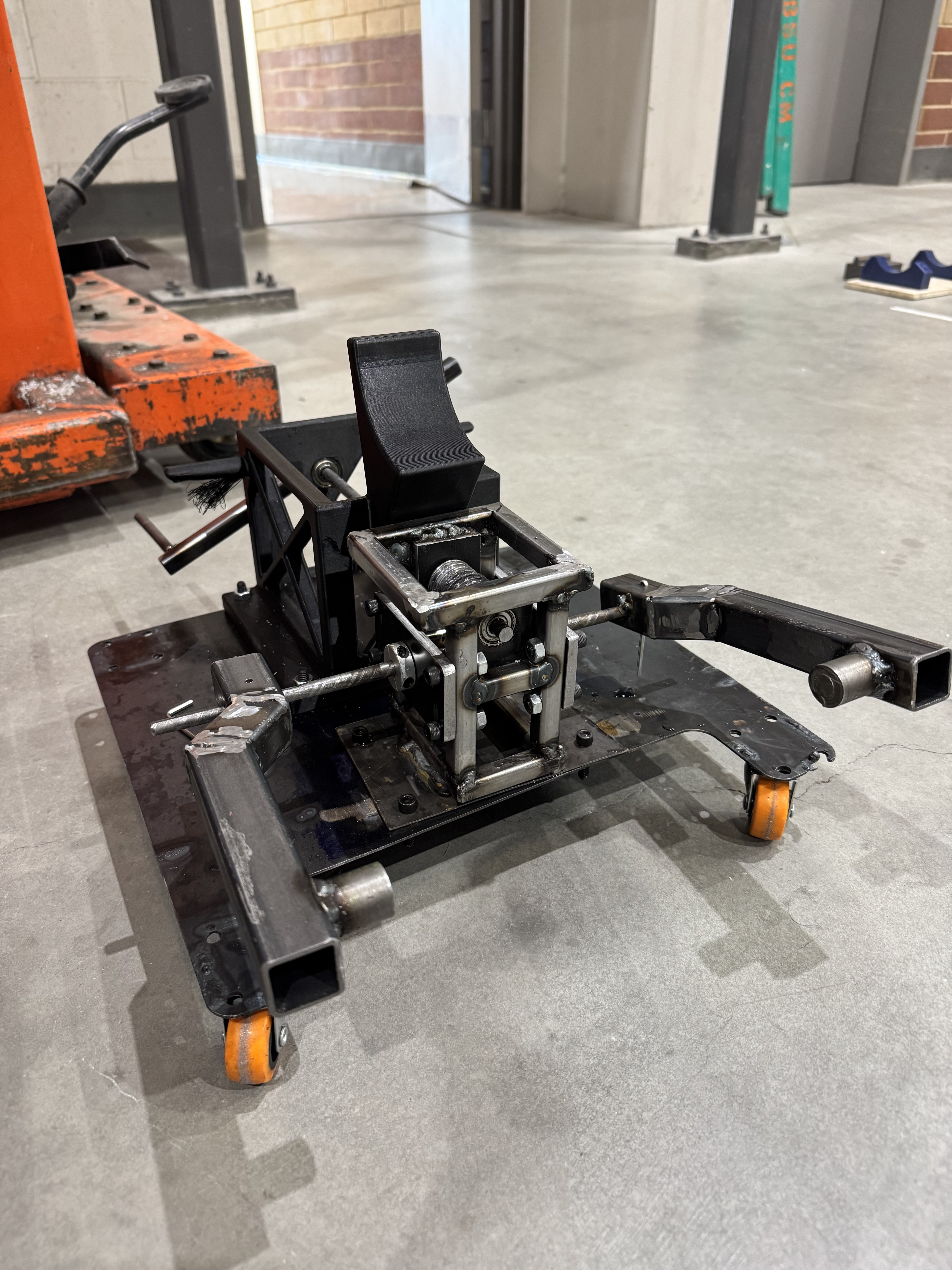
The second design project was focused on creating a dolly which can lift a 35lb cylinder from a cradle, move it across a room and deposit it on a similar cradle. During the project I collaborated with my teammates in designing prototyping analyzing and testing our solution. During integration we had to revise the design on the fly due to issues with massive amounts of friction in the gearbox. Ultimately we pivoted from a 3D printed gearbox to a welded and machined metal gearbox allowing for tighter tolerances and higher rigidity.
Show more
Design Project I: All terrain trailer
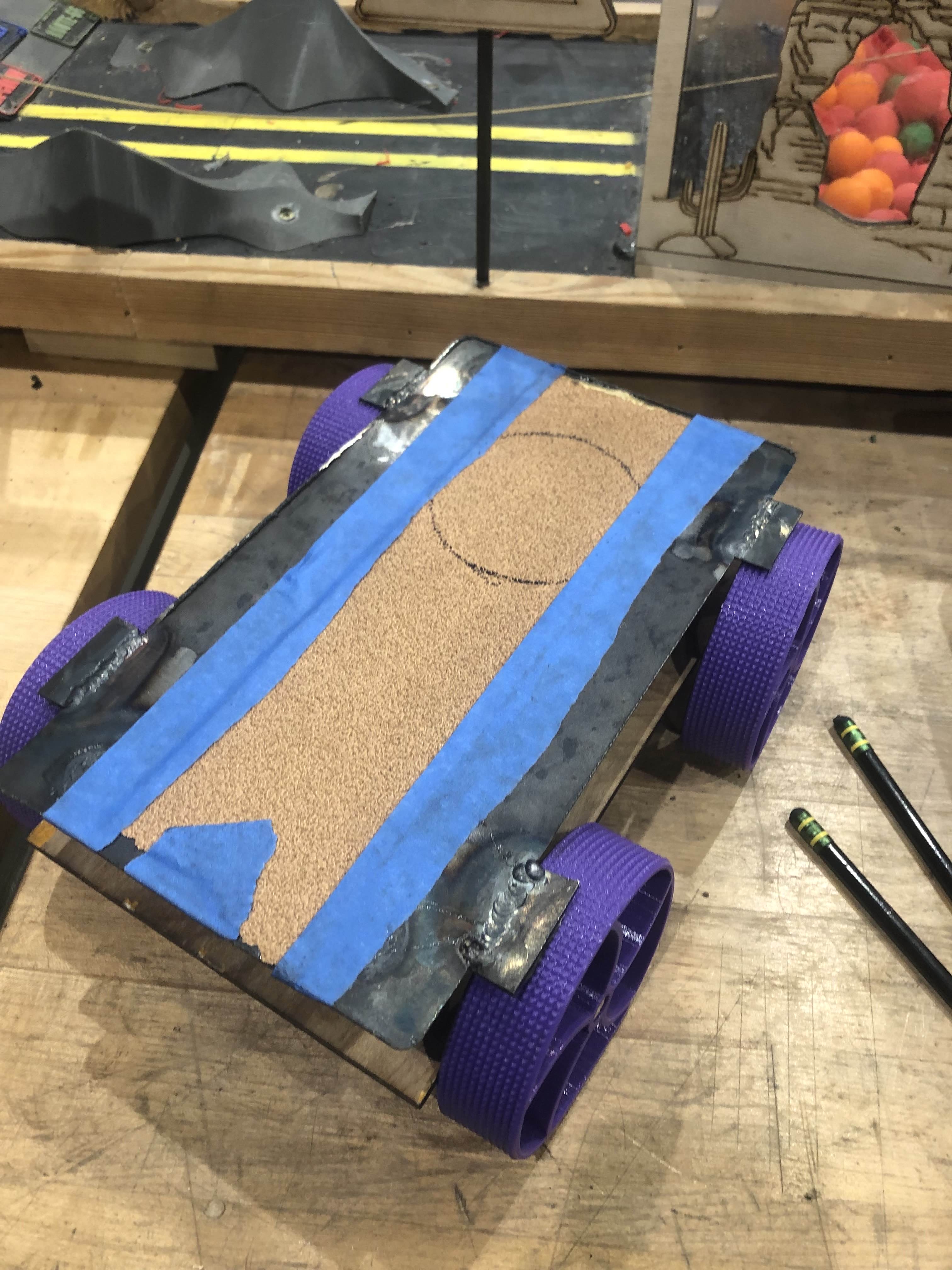
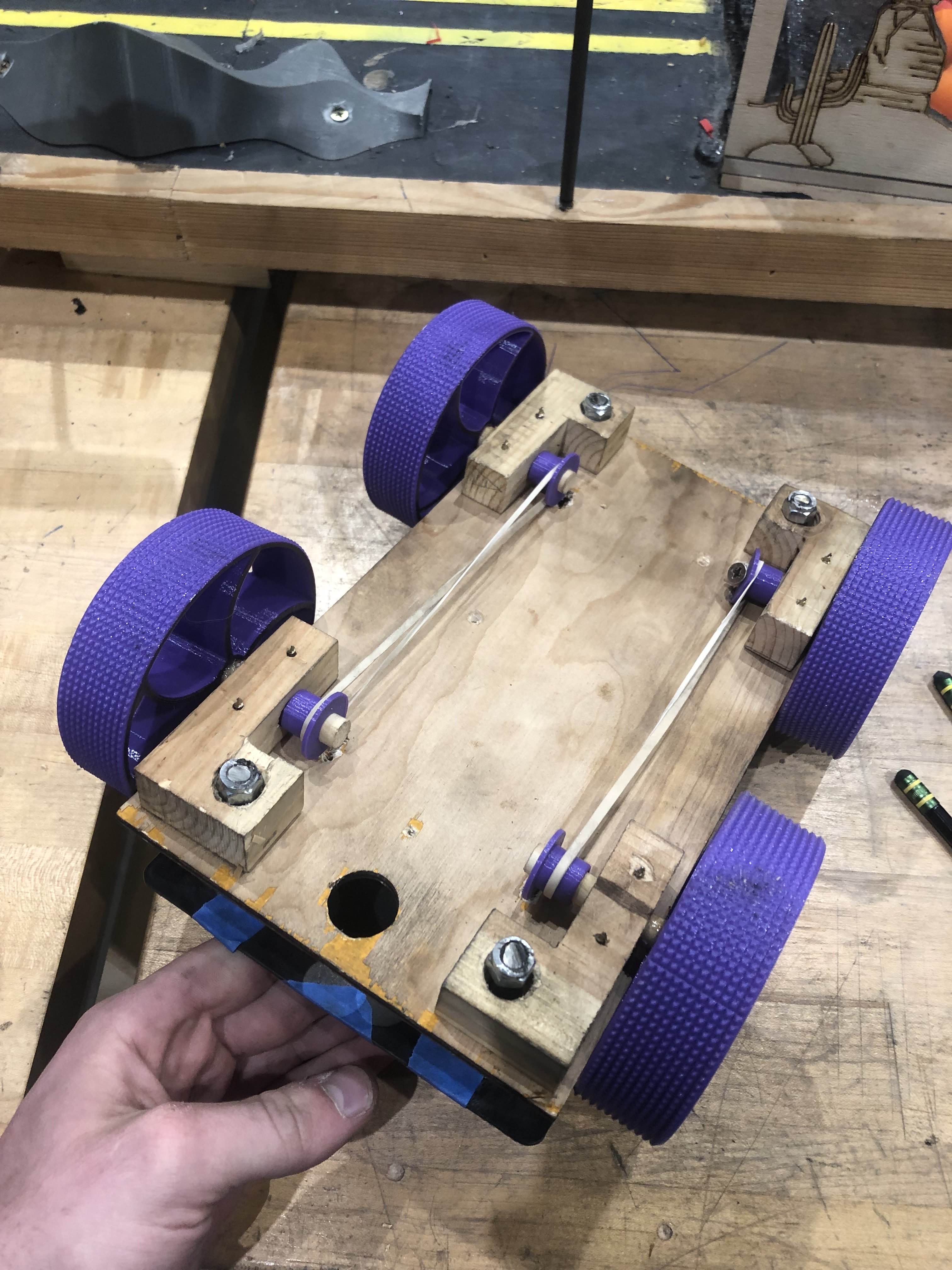
During my first design class at Boise State I designed, fabricated, tested, iterated, and documented a solution to the given challenge. The challenge was to design a trailer that can transport a 5.5lb payload across an uneven course. The key design constraint was that the payload must be balanced on the top of the solution. Below you can see my final design and explore more of the details of this project.
Show more
FIRST Robotics
I participated in FIRST Robotics for nine years, from 4th grade through high school, an experience that had a major impact on my development as an engineer. Through the program, I learned how to brainstorm and refine design ideas, collaborate on engineering teams, and use CAD to model mechanical systems. In high school, as part of the FRC league, I worked with over ten other designers to collaboratively CAD our team’s competition robot. I also co-founded a sub-team called General Programming and led the development of our first electronic scouting system, which introduced automation into our data collection process and improved our competition strategy. Below is more information about each of the programs I participated in.
Show more
FIRST LEGO League
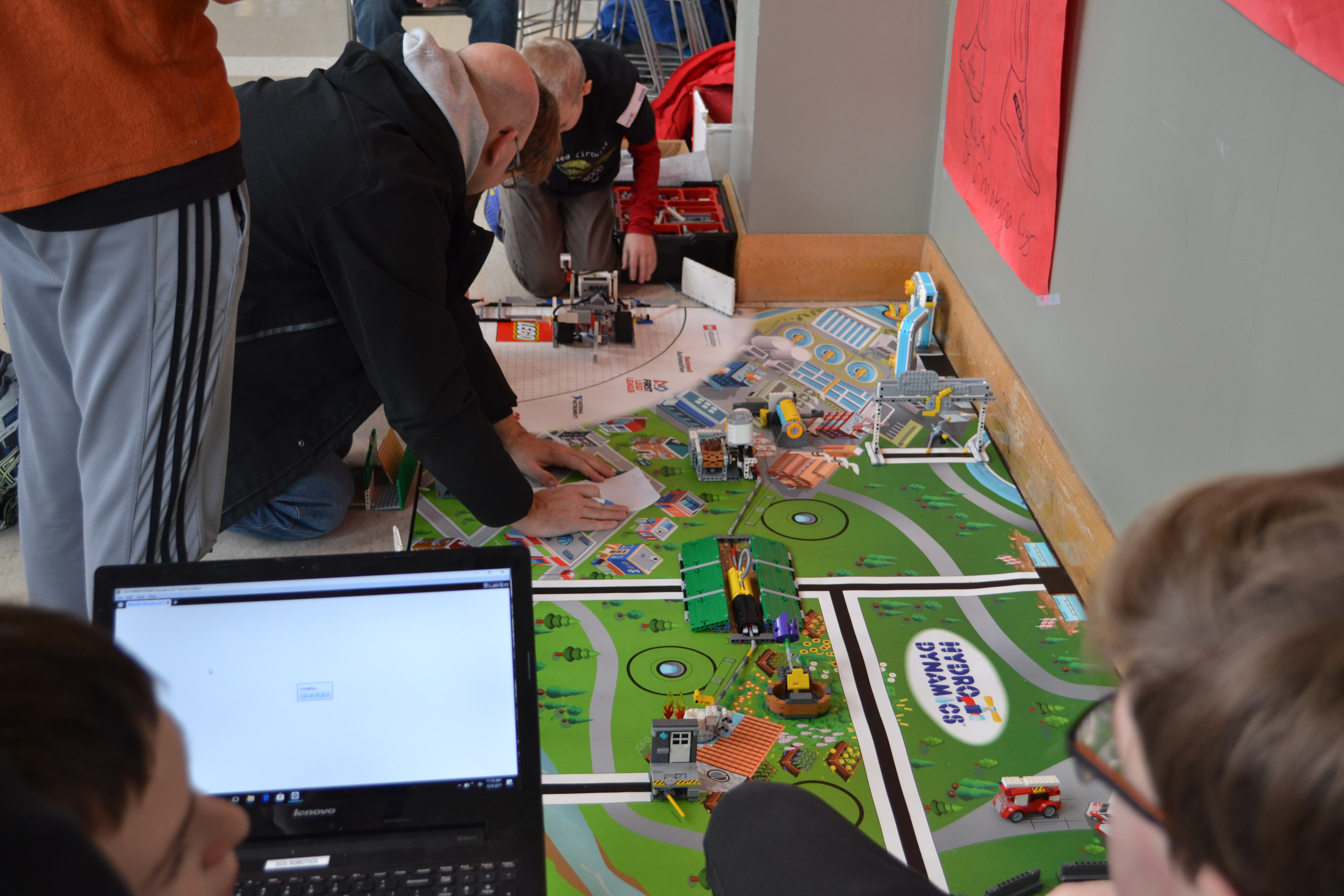
From 4th to 8th grade I participated in FIRST LEGO League (FLL). FLL introduced me to engineering through building autonomous LEGO robots and developing teamwork, design, and presentation skills that have continued to support my growth in higher-level robotics and beyond.
 See more
details
See more
details
FIRST Tech Challenge
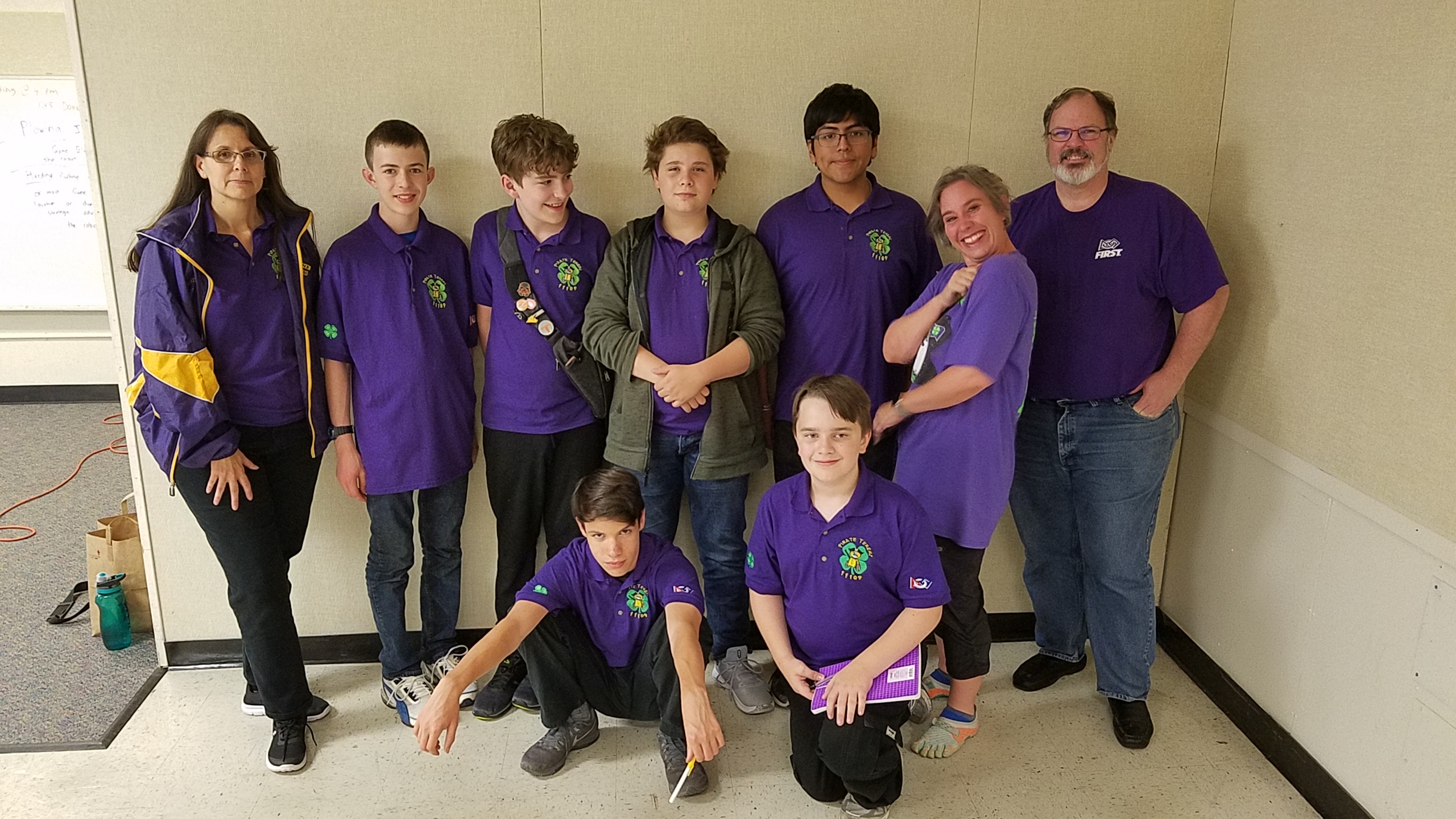
During my two years on Team 11109 Pirate Tekerz in the FIRST Tech Challenge, I developed strong engineering skills in CAD design, collaboration, and fabrication, successfully adapting to remote robot building during COVID-19 and helping get the team to its first state competition.
 See more
details
See more
details
FIRST Robotics Competition
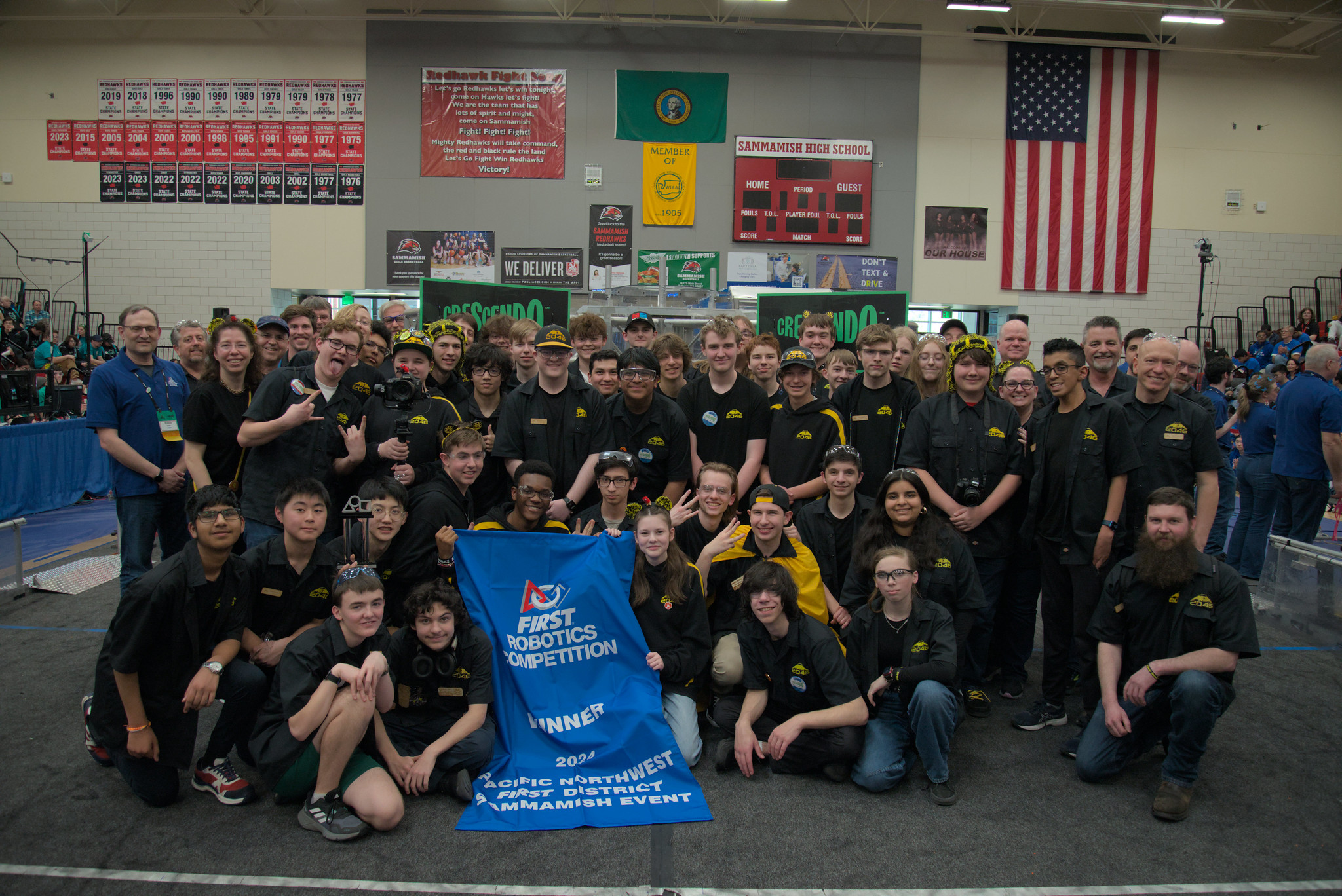
During high school I competed in FRC for 3 years, gaining experience with Computer Aided Design, technical collaboration, integrating designs into the real world. During my third year I co-founded a new sub-team to develop the team's first electronic scouting system.
 See more
details
See more
details